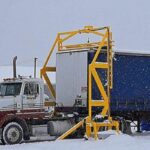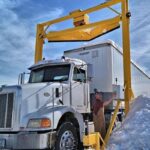

A loading dock is a series of handoffs. A trailer arrives and backs into position. Equipment secures the trailer, the leveler bridges the gap, and people and products move through the opening. Seals, shelters, controls, and communication systems all play a part in how that space functions.
When one part of the process feels inefficient or difficult, it is tempting to focus on the nearest piece of equipment. A better assessment looks at the whole dock and follows the work from arrival to departure.
Begin with the sequence
Walk through a typical trailer visit with the people who work at the dock. What happens when the truck arrives? How does the driver know where to position? How is the trailer secured? What allows loading to begin? How does the team confirm the dock is ready for departure?
This walkthrough can reveal gaps between equipment and procedure. A component may be working as designed while the overall sequence remains confusing or difficult to manage. Ask employees where they wait, where communication breaks down, and which steps require workarounds.
Review the dock as connected equipment
W.E. Carlson’s loading dock equipment line includes dock levelers, vehicle restraints, dock seals and shelters, communication and control systems, dock bumpers, ramps, lifts, and accessories. Each category supports a different part of the operation.
A leveler provides a transition between dock and trailer. A vehicle restraint helps secure the trailer. Seals and shelters address the space around the opening. Communication and control products can help signal conditions where sightlines are limited. The selection and combination of equipment should be based on the dock’s use, layout, and operating procedures.
Look for fit, condition, and communication
During the assessment, record what equipment is installed at each position and note any visible wear or recurring issues. Check whether the equipment fits the trailers and loads that actually use the dock. Notice if employees can see and understand the signals they rely on, and whether the sequence is clear to drivers and dock personnel.
These questions can help organize the review:
- What types of trailers and loads use each position?
- Which dock positions see the most activity?
- How are trailers secured before loading begins?
- Are there noticeable gaps, impacts, or difficult transitions?
- Can employees see the status of the dock from where they work?
- Which steps cause delays, confusion, or repeated workarounds?
- What equipment condition or service issues have been reported?
Prioritize the next step
Not every finding means the facility needs a full equipment replacement. Some observations may lead to a service call, a closer review of a particular component, or a discussion about how equipment and procedures work together. Document the issue, the dock position, and the conditions under which it occurs. That makes follow-up more actionable.
Avoid treating one product as a complete safety plan. Equipment should be considered alongside training, operating procedures, and the facility’s own safety review. If the dock is being renovated or expanded, involve service and product specialists early so the whole sequence can be considered.
W.E. Carlson can help review a loading dock and its equipment as a system, from levelers and restraints to seals, shelters, and controls. Start with the way the dock works today, then identify where the equipment or process needs attention.